
The average total calorie intake was relatively similar among apps, with an average difference of 1.4% compared with the USDA (mean difference 9.6 [SD 50.3] kcal). LifeSum had the highest deviation, an overestimate of 7.29% (SD 70.3) kcal compared with the USDA. On average, the apps only slightly overestimated carbohydrate intake by a difference of 1.0% compared with the USDA (mean difference .8 [SD 4.7] g). On average, the apps underestimated fat intake by a difference of 6.5% compared with the USDA.
Meal Planning Features in Macro Tracker
One useful feature is that it shows you when items in the database are submitted by users, allowing you to verify the calorie information elsewhere. Not even paid apps offer this feature in the same way, so it can make a big difference to overall accuracy. Put simply, it’s the most effective way to track how many calories you’re eating in a day.
Fooducate (Android and iOS)
The free one is quite powerful, and more information and tools can be obtained with the premium version. The best nutrition-tracking apps help cyclists align fueling with training demands by monitoring calories, macronutrients, micronutrients, hydration and recovery. Key features include verified food databases, wearable syncing, meal planning, electrolyte tracking and AI-driven personalization. Macro Sync is the ultimate free macro and calorie-tracking app, designed by the nutrition experts at Macros Inc. Unlike other apps that charge for premium features, everything in Macro Sync is free – including tools competitors hide behind paywalls.
Instead of manually tallying ingredients or searching food databases, you can snap a photo or speak into your phone, and the AI will log your meal in seconds with reasonably accurate calorie estimates. It allows users to log meals, track macros, and monitor hydration. Is goal-based and straightforward in its weight management strategy.
Arise: AI Food Calorie Counter
In this study, for the 3-day diet record, we entered food items into the apps as well as the USDA website and found that the apps were easier to use compared with traditional diet coding approaches. The databases in some of the apps may provide more convenient nutrient coding. For example, 1 of our coders tried entering a tofu rice bowl —an integrated food item made up of multiple components. Interestingly, the app with highest usability, LifeSum, had the greatest nutrient coding inconsistency compared with the USDA reference. This presents a potential challenge for interventions, which rely upon accurate estimates from apps, instead of having trained staff recode the food items using a standard reference database. LifeSum’s headquarters is located in Sweden, and perhaps because of this, it may be more accommodating of European users.
Fooducate
Every donation—no matter how small—helps CSPI continue improving food access, removing harmful additives, strengthening food safety, conducting and reviewing research, and reforming food labeling. We don’t take donations from corporations, and our flagship publication, Nutrition Action, doesn’t run any ads. That means that everything we do is fiercely independent and unbiased from any bad actors, no matter how powerful. To help keep this online content 100% free, consider donating today to support CSPI. MyFitnessPal has a few free features you won’t find in other apps…but keep its cons in mind. Checked items are typically complete for calories plus the nutrients you’d find on a Nutrition Facts label, except for added sugar and vitamin D.
In addition to food logging and calorie tracking the free version of the app has barcode scanning, manual exercise logging, and goal setting. The app features a barcode scanner and an AI chatbot for asking questions whenever you disagree with its calculations, and the Apple Health integration can track your activities. Unlike other calorie-tracking apps that lock meal scanning behind a paywall, SnapCalorie offers it for free — but limits you to three photo scans per day. I spent several days testing dozens of popular calorie-tracking apps to compare them and pick the best of the bunch. While testing, I prioritized convenience over other factors because that’s the core appeal of AI calorie trackers. I also looked for apps that were easy to set up and use, cutting out even the most popular options if they were buggy.
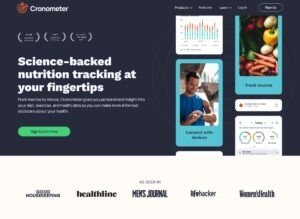
Cronometer
Some will have complete meals listed, while others will let you input individual ingredients. The type you use will ultimately depend on how intricate your cooking is and the types of meals you eat. Correlation coefficients, standard errors, and P values, and R2 for lifesum app review linear models of usability versus TDF domain features. ALifeSum only had 1 banana (130 g) food item; Argus and MyFitnessPal had multiple verified banana items. This is why database accuracy matters even more in a free app than a paid one. If you are choosing not to pay, you especially cannot afford to waste your effort on bad data.
Large database of foods
- Cronometer is ideal for users who want detailed nutrient tracking.
- When I tested the AI meal scan on a simple dinner, the calorie estimate was within the standard range found on Google.
- Create and save it as a “custom” item so you can log it with a single tap.
- A marvelous review of your progress can be found on the My Day section and will inspire you to keep going.
- In total, 2 of the apps were consistent with the nutrition data provided by McDonald’s, whereas the others were not.
- Figure 3 and the detailed feature checklist results in Multimedia Appendix 1 may help behaviorists identify appropriate apps.
Yet, few studies have been conducted evaluating the accuracy of diet-tracking apps. As part of our testing, we evaluated the accuracy of a 3-day diet record compared with the USDA reference. This is somewhat surprising as proteins and fats are both components of caloric intake. We suspect the underestimation of fat may be due to the difficulties in estimating oils used in cooking, particularly for restaurant meals. These differences could have implications for those with specific health issues.
More on healthy eating strategies

MyFitnessPal also includes barcode scanning for packaged foods and offers custom meal and workout plans. Users can set specific nutrition goals to lose or gain weight or improve their health. FoodNoms’ standout features include the detailed nutritional breakdown when logging food, including lipids, carbohydrates, minerals, and vitamins. It offers much more detailed insights compared to many other macro counting apps. People use this app as a personal nutritional coach, fitness partner and a diet program. Through your customized account, you’ll have access to an exercise log, nutrition data, a food diary, diet analysis and a weight tracker.
Do You Actually Need to Track Calories?
McDonald’s Big Mac had the largest difference among the 3 food items, with average difference of −7.9% in calories. All the apps tended to underestimate calories and macronutrients compared with the USDA. Nutrient data found on McDonald’s website also had lower values for this food item than USDA’s data. In total, 2 of the apps were consistent with the nutrition data provided by McDonald’s, whereas the others were not.
The app also allows you to customize your targets based on your dietary preferences, whether you’re vegan, keto, or following another specific plan. This level of detail makes it a great option for people with specific health goals, such as athletes or those managing deficiencies. If you’re looking to go beyond basic calorie counting, Cronometer provides a more in-depth analysis of your nutrition. Nutrition for endurance athletes is just as important as training itself. Whether you’re preparing for a triathlon, logging hours on the bike, or testing yourself in an indoor cycling session, fueling strategies determine performance and recovery. From endurance cycling nutrition to post-race refueling, knowing what to eat during long rides and how to balance carbs, hydration, and recovery will help you perform at your best.
Calorie Counter by fatsecret
It also offers tools to monitor client progress in real-time, which helps nutritionists identify trends and adjust plans accordingly. TrueCoach is a versatile app designed to help fitness professionals simplify their workflow, including nutrition tracking. One of its standout features is the community aspect, where users can connect with others for support and motivation. Its detailed journaling feature provides insights into how specific foods or ingredients may be affecting your health.